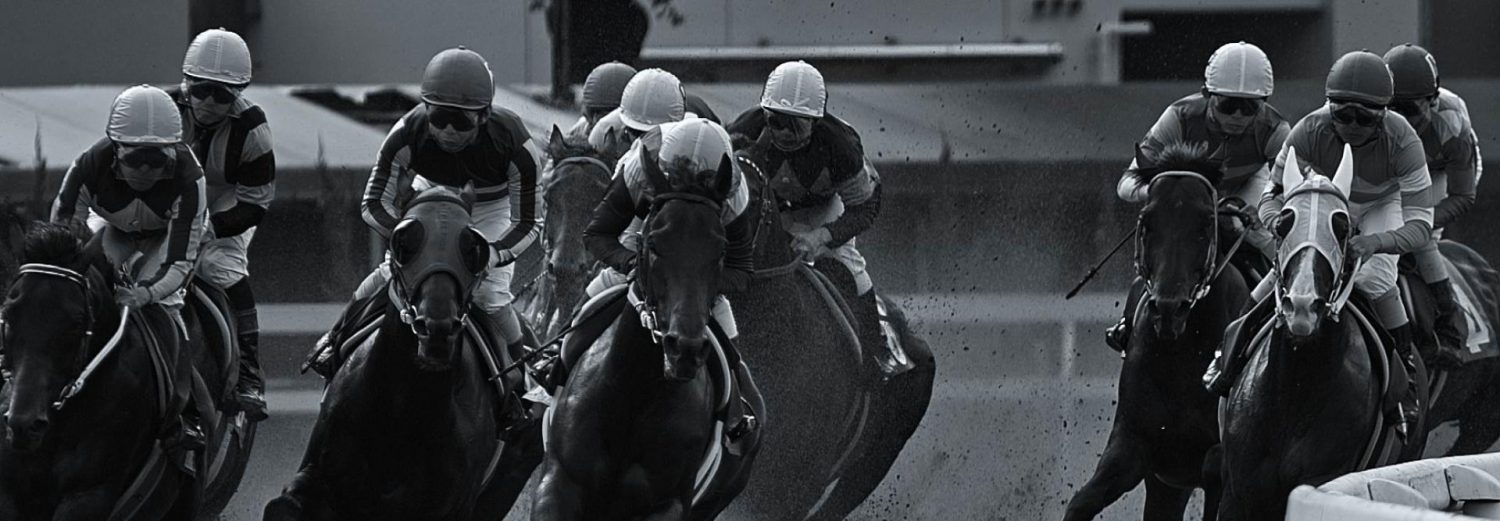

The first Saturday in May. Twenty three-year-olds line up at Churchill Downs to run a mile and a quarter under the most scrutiny any horse will see in its life. Half the country watches. Most of it bets. Almost none of it handicaps.
This is the Conductor’s living guide to the 2026 Kentucky Derby. Contenders, pace scenario, prep-race analysis, and pick updates as the field is finalized. Bookmark this page — it gets updated every week between now and post time.
What the Kentucky Derby actually is
The Kentucky Derby is the first leg of the Triple Crown. It is run at 1¼ miles on the dirt at Churchill Downs in Louisville, Kentucky, on the first Saturday in May, for three-year-olds only. The field is capped at 20 starters — making it the largest race most of these horses have ever run in, and a pace scenario unlike anything on the calendar.
Entry is governed by the Kentucky Derby Points System. Horses earn points by running well in a series of designated Derby prep races from the previous fall through April. The top 20 point-earners make the gate.
The 2026 Derby prep trail
The Derby prep season runs from the fall of the prior year through the last major preps in April. The biggest points-earning preps on the 2026 trail were:
- Breeders’ Cup Juvenile (G1) — the first serious juvenile championship and an early Derby future-book mover.
- Rebel Stakes (G2) — Oaklawn Park, early March.
- Fountain of Youth Stakes (G2) — Gulfstream Park, early March. Our Gulfstream Park coverage is here.
- Tampa Bay Derby (G2) — Tampa Bay Downs, early March.
- Louisiana Derby (G2) — Fair Grounds, late March.
- Florida Derby (G1) — Gulfstream Park, late March / early April.
- Blue Grass Stakes (G1) — Keeneland, early April.
- Santa Anita Derby (G1) — Santa Anita, early April.
- Wood Memorial (G2) — Aqueduct, early April.
- Arkansas Derby (G1) — Oaklawn Park, mid-April.
- Lexington Stakes (G3) — Keeneland, mid-April. Final points-earning prep.
How to handicap the Derby
The Derby is a different animal than any other race these horses have run. Four things to keep front of mind:
1. The pace always melts down
Twenty horses, a 1¼-mile distance almost none of them have seen, and adrenaline. The pace is almost always faster than it should be. Closers and mid-pack stalkers have won far more Derbies in the modern era than frontrunners.
2. Post position matters more than usual
Post 1 (the rail) and posts 17–20 (the far outside) have historically been burial grounds. The rail horse gets buried in the pack. The wide horses burn energy getting over. The sweet spot is typically posts 5–15.
3. Pedigree matters at 1¼ miles
Most of these colts haven’t been beyond 1⅛ miles. A third of them will not get the distance. Look at the dam side — proven distance sires like Tapit, Curlin, Into Mischief, and Uncle Mo produce horses that finish their races. Quick-closing sires that mostly get sprinters do not.
4. Trust the prep form, not the hype
The Derby winner has almost always run a sub-100 Beyer in one of its last two preps, broken well, and shown the ability to rate. Horses that need a perfect pace to win don’t win Derbies. Horses that can overcome traffic do.
2026 Kentucky Derby picks & contenders
This section updates weekly as the prep trail concludes. Final picks, best bets, and exotic ticket construction will post the Thursday before Derby Day.
Check back for:
- The Conductor’s top-3 ranking as the field is finalized.
- Full pace scenario breakdown (who’s on the lead, who’s pressing, who’s closing).
- Post-position analysis once the draw happens.
- Value plays vs. the morning line.
- Exacta, trifecta, and superfecta ticket constructions.
- The Conductor’s bet-the-farm best bet.
How to bet the Kentucky Derby
The Derby is the one day of the year when everyone bets. That matters, because it creates value. Casual money floods in on the names — past Derby winners’ sons, horses with good stories, the favorite. That pushes live longshots to bigger prices than they deserve.
- Win pools usually have the worst value on the day — the chalk gets hammered.
- Exactas often have the best value when there’s a strong chalk-bomb combination.
- Trifectas and superfectas are where casual money overbets obvious combinations. Construct tickets that include a longshot anchored by a solid closer.
- Pick 4 and Pick 5 sequences ending with the Derby are where the sharpest money goes — carryover from earlier races in the sequence rewards patient ticket building.
New to handicapping? Start with our beginner’s guide to handicapping a horse race before you dig into the Derby form.
Where to follow along
The Conductor publishes picks every Friday, Saturday, and Sunday during Derby prep season — Keeneland, Gulfstream Park, Churchill Downs, and Santa Anita. Follow every prep race and you’ll head into Derby Day with a real read on this year’s class.
Subscribe to The Conductor’s Scroll — free to board. First Class passengers get the full Derby Day card, the Conductor’s final ticket construction, and every exotic play 48 hours before post time.
Discover more from The Conductor's Scroll
Subscribe to get the latest posts sent to your email.